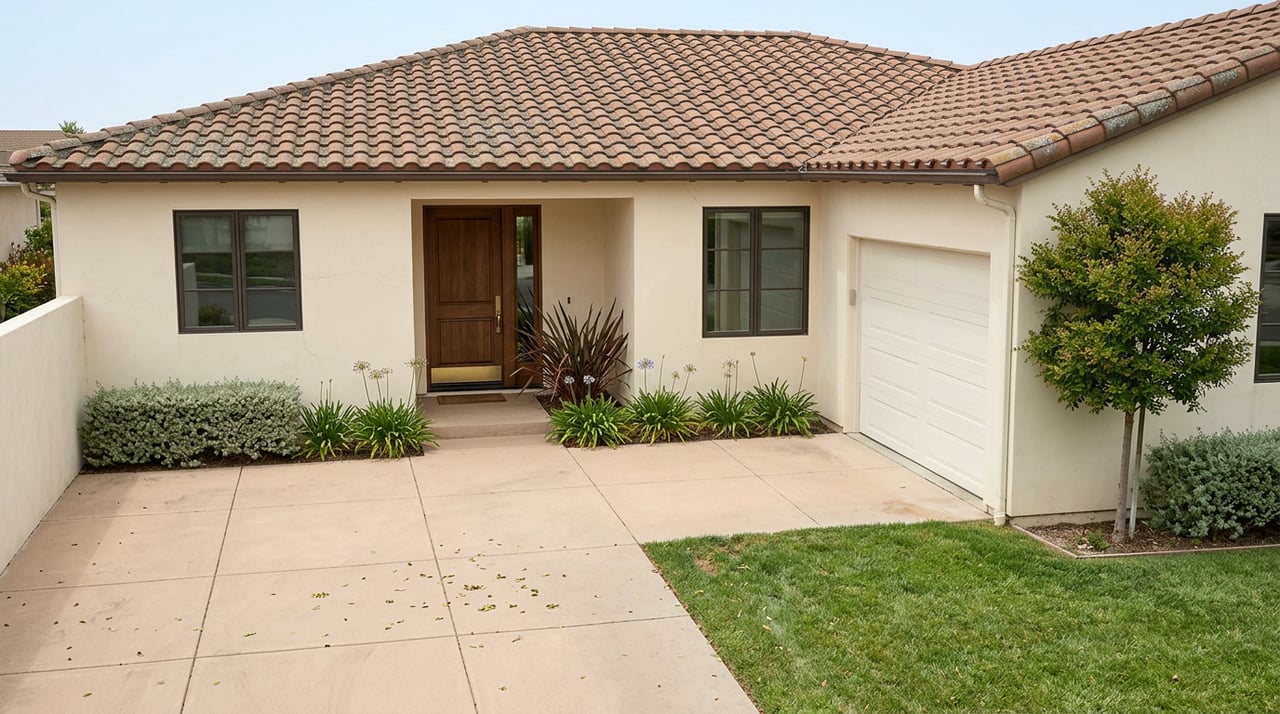
Trying to choose between Culver City and Westchester? You’re not alone. Both offer a solid Westside lifestyle, but the feel, housing, and daily routine can be very different. In this guide, you’ll get a clear, side‑by‑side view of homes, commutes, amenities, and touring tips, so you can match the neighborhood to your priorities. Let’s dive in.
Quick neighborhood snapshot
Culver City is an independent city with its own government and services. It has a lively, walkable downtown with restaurants, theaters, and creative offices.
Westchester is a residential neighborhood within the City of Los Angeles. It leans single‑family and lower density, with strong ties to LAX and Loyola Marymount University.
If you want an urban/suburban mix with walkable dining and entertainment, Culver City fits well. If you prefer quieter streets, larger lots in many pockets, and quick airport access, Westchester is a strong match.
Housing and price expectations
You’ll see different housing types in each area.
- Culver City: Condos and lofts near Downtown and mixed‑use hubs, plus vintage single‑family homes like Craftsman, Spanish, and Mid‑Century on more compact lots. Newer condo and multifamily buildings cluster near commercial corridors.
- Westchester: Predominantly single‑family ranch and mid‑century homes, with remodels and some new builds. Apartments and small condo complexes tend to sit along Sepulveda, Lincoln, and Manchester.
Pricing typically reflects this mix. Culver City often carries a premium for comparable footprints due to its downtown amenities, job base, and limited land for new single‑family homes. Westchester generally offers relatively more attainable single‑family options, though extensively remodeled properties and areas closer to the coast can command higher prices.
Tip: If budget is fixed, you may find more yard space per dollar in parts of Westchester, while Culver City can deliver strong convenience and walkability for a higher entry point.
Commutes and transportation
Commute patterns often decide the winner.
- Culver City: Convenient for creative, media, and tech jobs in and around Downtown Culver and nearby studios. You’ll find Culver CityBus and Metro bus routes on major streets, with Metro E Line access in adjacent corridors depending on your block.
- Westchester: Ideal for LAX employees and travelers, with quick terminal access. Short drives reach Playa Vista and Silicon Beach via Sepulveda or Lincoln. Metro bus lines serve main roads, and K Line connections move toward Aviation/LAX.
Driving times vary widely by hour. Culver City can be quicker to Downtown Culver and certain Westside job nodes, while Westchester shines for airport and coastal access. Always test your typical trips during your actual commute windows.
Lifestyle and amenities
Living in Culver City puts you close to a dense cluster of restaurants, bars, galleries, and destination retail. The Helms Bakery and Platform areas add curated shopping and food options. Streets feel more walkable in and around Downtown and adjacent corridors.
Westchester has neighborhood shopping centers and larger commercial strips. While you’ll drive for many dining or nightlife moments, you’re a short hop to Playa Vista, Marina del Rey, and Venice. Recreation options include Westchester Recreation Center, Westchester Golf Course, and easy coastal access via Playa del Rey and Dockweiler State Beach.
Schools and services
Culver City is served by Culver City Unified School District (CCUSD). Westchester is served by Los Angeles Unified School District (LAUSD), with neighborhood schools and magnet options, plus nearby LMU for higher education. Because attendance zones and offerings can change, most buyers review district maps and resources for specific addresses they are considering.
Both areas have access to major medical centers across the Westside and South Bay. Culver City has its own police department, while Westchester is served by LAPD’s Pacific Division.
Noise and environment
Westchester sits close to LAX, so some blocks experience frequent aircraft noise depending on flight paths. Other parts are less affected. Culver City typically sees less airport noise, though proximity to major roads and freeways can impact both areas.
If noise matters to you, visit homes at different times of day and during peak flight periods. Ask your agent for local noise context and mitigation options like upgraded windows.
How to choose: A simple framework
Rank your top three priorities, then compare.
- Walkable dining and entertainment: Culver City tends to win.
- Larger lots and quieter streets: Westchester often fits better.
- Proximity to LAX: Westchester is closer.
- Proximity to Culver City or Playa Vista job hubs: Test commute times from both.
- Schools: Compare CCUSD and LAUSD options for specific addresses.
If you’re split, tour one or two homes in each area on the same day. Pay attention to street feel, parking ease, and the time it takes to get to your regular destinations.
Sample home tours: What to look for
Culver City condo or loft
- What you’ll see: 1–2 bedroom units in mixed‑use buildings, often with HOA amenities and retail below.
- What matters: HOA dues and reserves, assigned and guest parking, soundproofing, and proximity to bus or rail stops.
- Questions to ask: Does the HOA allow short‑term rentals? What’s the age and condition of building systems? How is noise at night and on weekends?
Culver City vintage bungalow
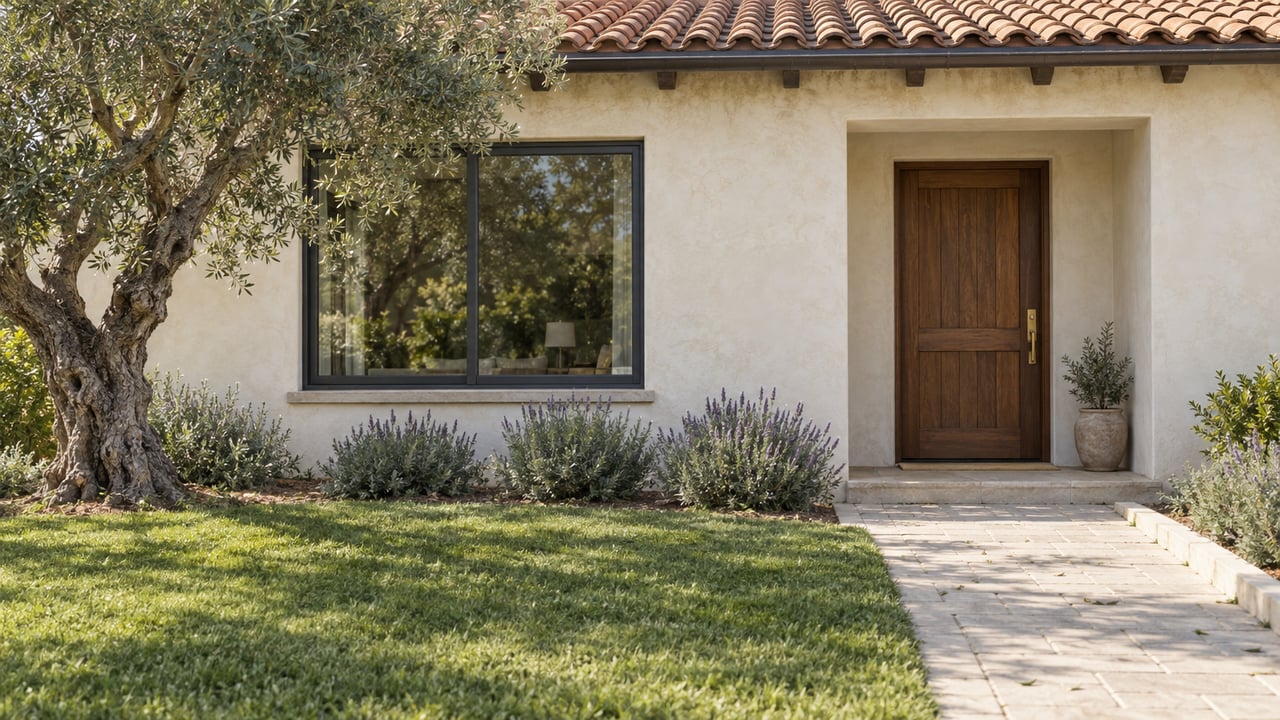
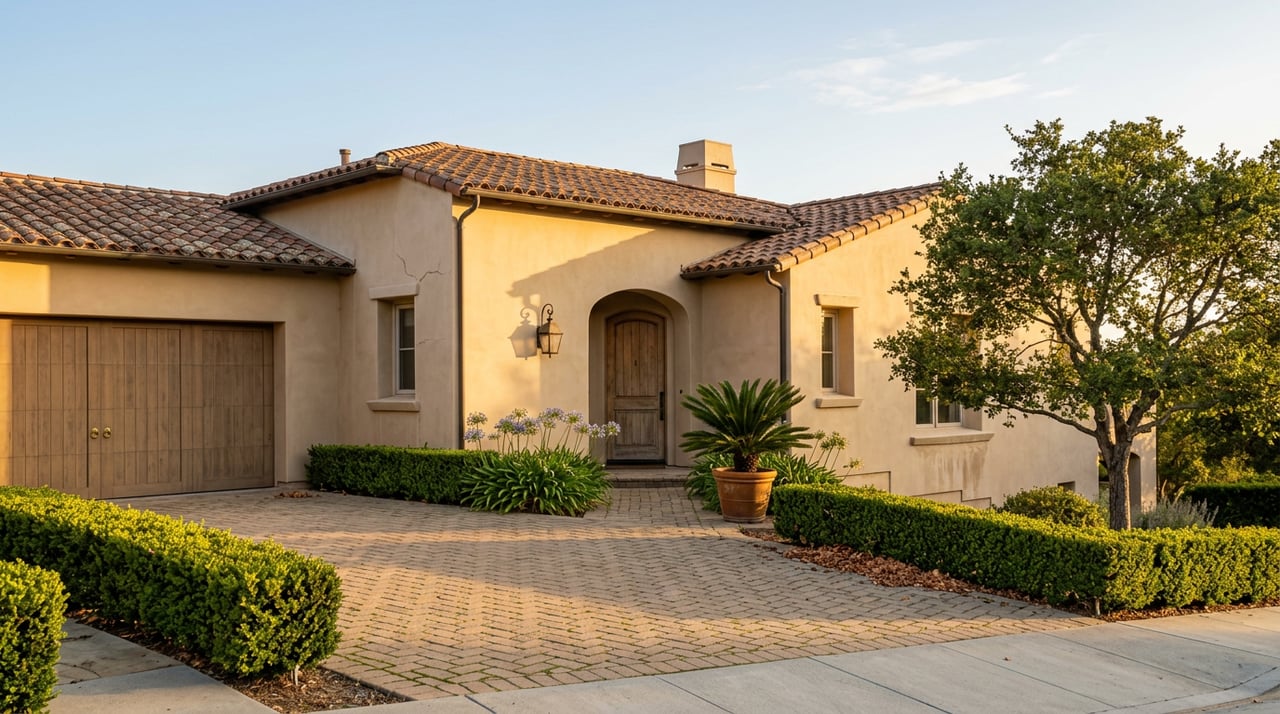
- What you’ll see: Craftsman, Spanish, or Mid‑Century homes on smaller lots, with partial or full updates.
- What matters: Plumbing and electrical upgrades, lot orientation and usable outdoor space, garage and parking, and any historic overlay considerations.
- Questions to ask: Were remodels permitted? Any drainage or foundation notes? Are there nearby projects planned along your block?
Westchester single‑family ranch
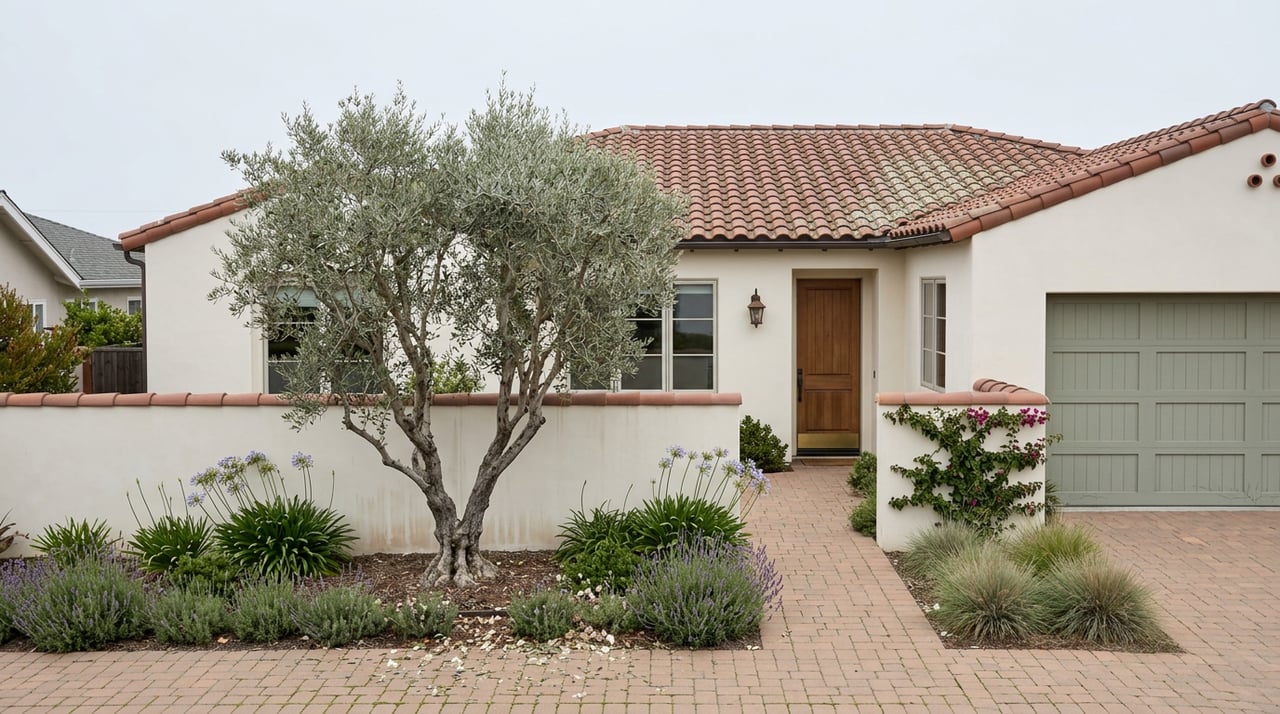
- What you’ll see: Mid‑century ranch or tract homes on wider lots with front and back yards.
- What matters: Interior layout, ADU or expansion potential, proximity to parks or LMU, lot slope and tree cover, and aircraft noise at different hours.
- Questions to ask: What are typical noise levels mornings and evenings? Any neighborhood restrictions? What’s the status of main sewer and utility connections?
Westchester townhouse or condo
- What you’ll see: Smaller complexes near Sepulveda or Lincoln with assigned parking.
- What matters: Visitor parking, HOA rules, acoustic buffers from major roads, and bus route access for commuting.
- Questions to ask: Any special assessments or upcoming maintenance? Are there planned road or building projects nearby? What are commute times during peak hours?
Buying tactics and fine print
- Filters to use: In Culver City, sort by condo vs single‑family, HOA fees, distance to Downtown, and year built. In Westchester, sort by lot size, garage/driveway parking, distance to LAX and LMU, and potential noise exposure.
- Competition and negotiation: Culver City’s limited single‑family supply can draw competitive bidding on desirable blocks. In Westchester, factor modernization needs and consider contingencies for sound‑mitigating upgrades where appropriate.
- Permits and ADUs: Culver City has city‑specific rules and active code enforcement. Westchester follows Los Angeles municipal codes. If you plan an ADU or addition, review local guidelines before you commit.
Ready for next steps?
Both neighborhoods can be a great fit. Your best move is to align your must‑haves, preview a few on‑market homes in each area, and compare the day‑to‑day feel. If you want a seasoned advisor who knows both South LA and key Westside corridors, we’re here to help you tour, compare, and negotiate with confidence.
Have questions or want tailored listings? Schedule a free consultation with Greg Jones.
FAQs
Is Culver City more expensive than Westchester?
- Culver City commonly commands a premium for similar footprints due to its downtown amenities, job base, and limited single‑family supply. The exact difference varies by block and property type.
Which area is better for a short LAX commute?
- Westchester is notably closer to the terminals and airport‑area employment. Culver City is still a short drive by mileage, but travel times depend on traffic.
Where will I find bigger yards?
- Many parts of Westchester offer larger lot footprints and more yard space compared with central Culver City, which often has more compact lots.
Which neighborhood is more walkable to dining?
- Culver City. Downtown Culver City and nearby hubs concentrate restaurants, entertainment, and retail within a smaller, walkable core.
How should I compare schools between the two?
- Start with district maps. Culver City is served by CCUSD and Westchester by LAUSD. Review attendance zones and available programs for the specific addresses you’re considering.
Will airplane noise be an issue in Westchester?
- It depends on the block and flight paths. Some areas experience frequent aircraft noise, while others are less affected. Visit at different times of day to evaluate.