West Los Angeles Vintage vs Updated Homes Guide
July 2, 2026
July 2, 2026
Wondering whether a vintage home or an updated one makes more sense in West Los Angeles? You are not alone. Many buyers love the charm of older Westside homes but also want comfort, convenience, and fewer surprises after move-in. This guide will help you compare both paths so you can make a confident decision that fits your budget, lifestyle, and long-term plans. Let’s dive in.
West Los Angeles is not a one-style market. Depending on where you look, you may find 1920s to 1940s period-revival homes, postwar Ranch houses, Mid-Century Modern designs, and heavily renovated or rebuilt properties.
That mix is part of what makes the area so appealing. You can tour a Spanish Colonial Revival home with arches and stucco one day, then walk into a low-slung Ranch or an open, updated rebuild the next. For buyers, that variety creates real choices, but also different maintenance, tax, and permitting questions.
In West Los Angeles, “vintage” often means homes from the 1920s through the 1940s. These properties may reflect styles like Spanish Colonial Revival, Colonial Revival, Tudor Revival, Mediterranean Revival, or Monterey.
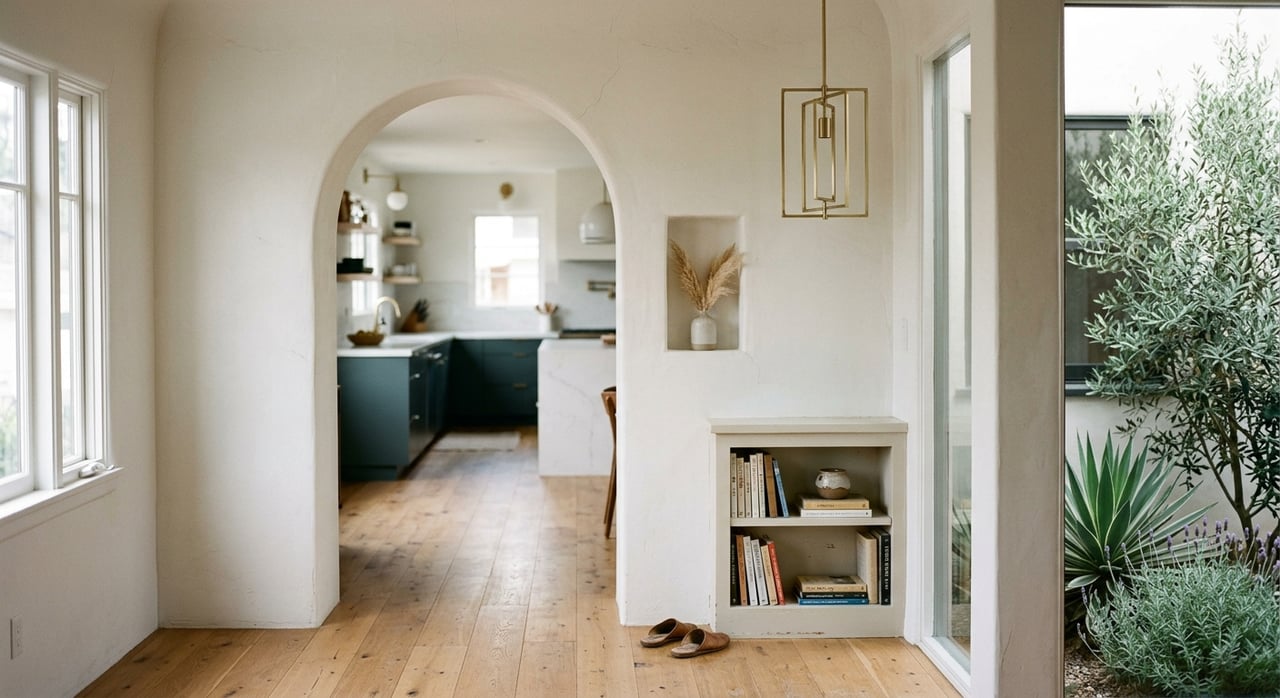
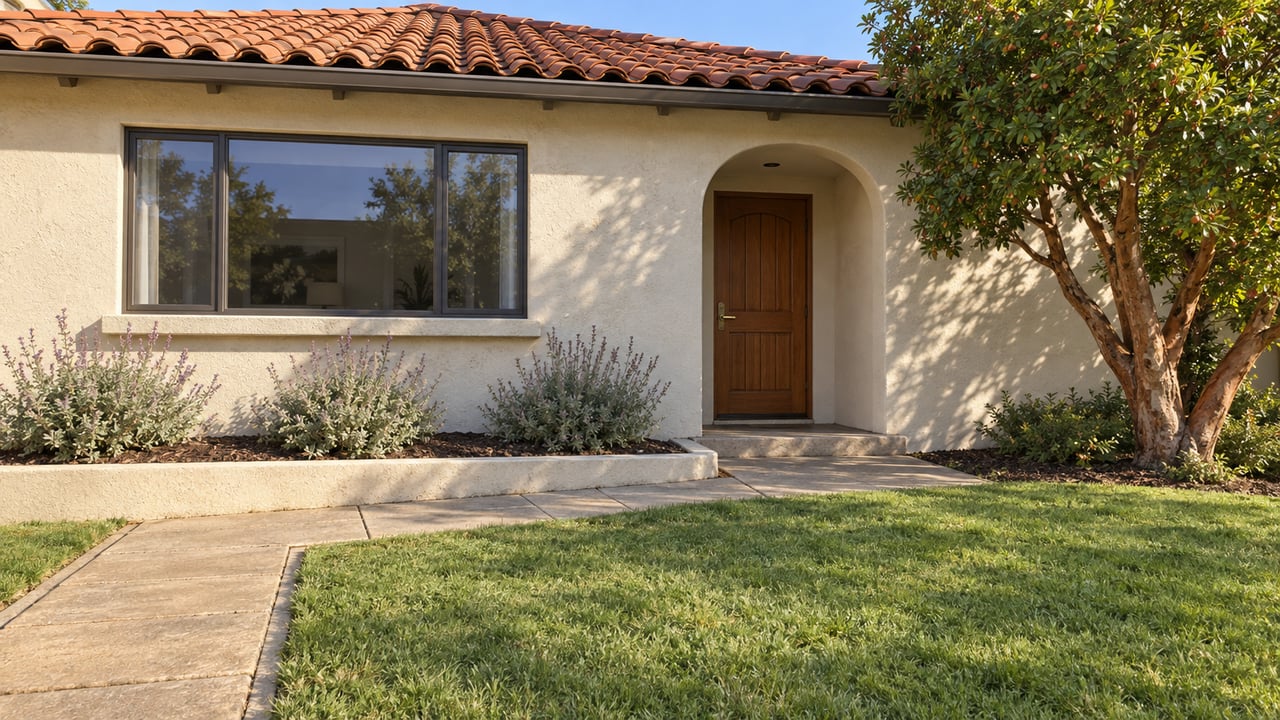
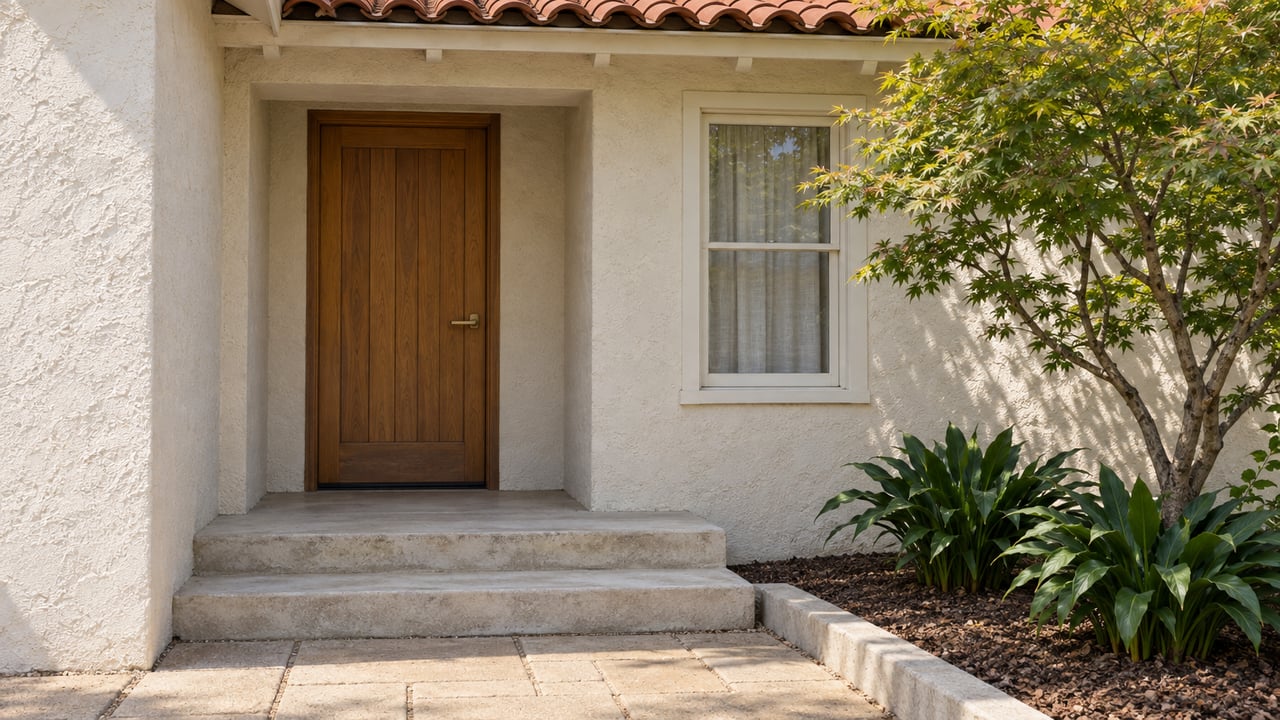
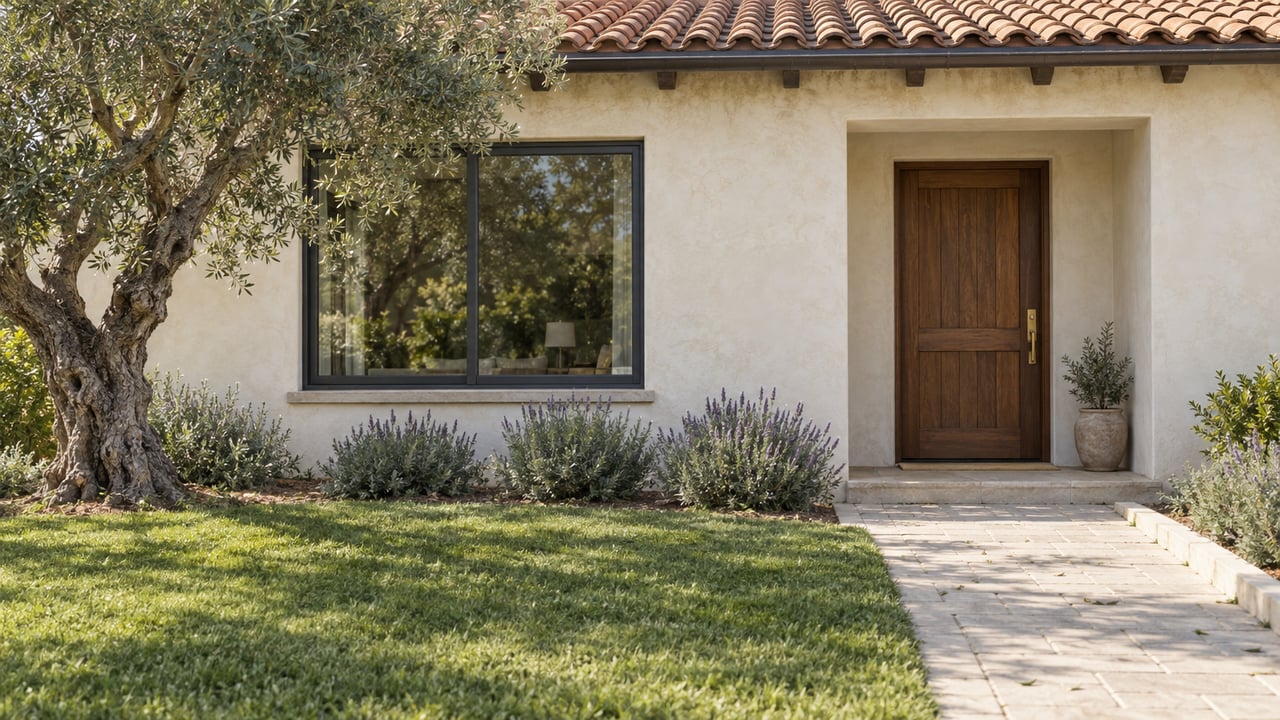
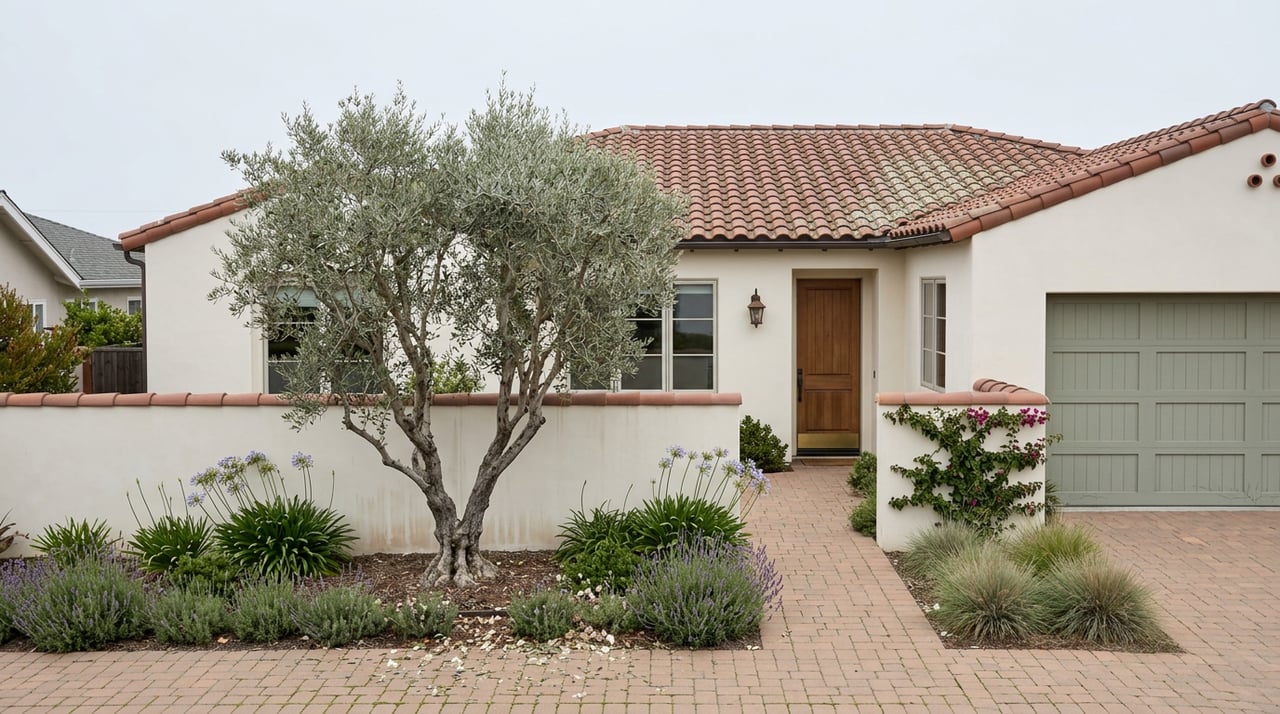
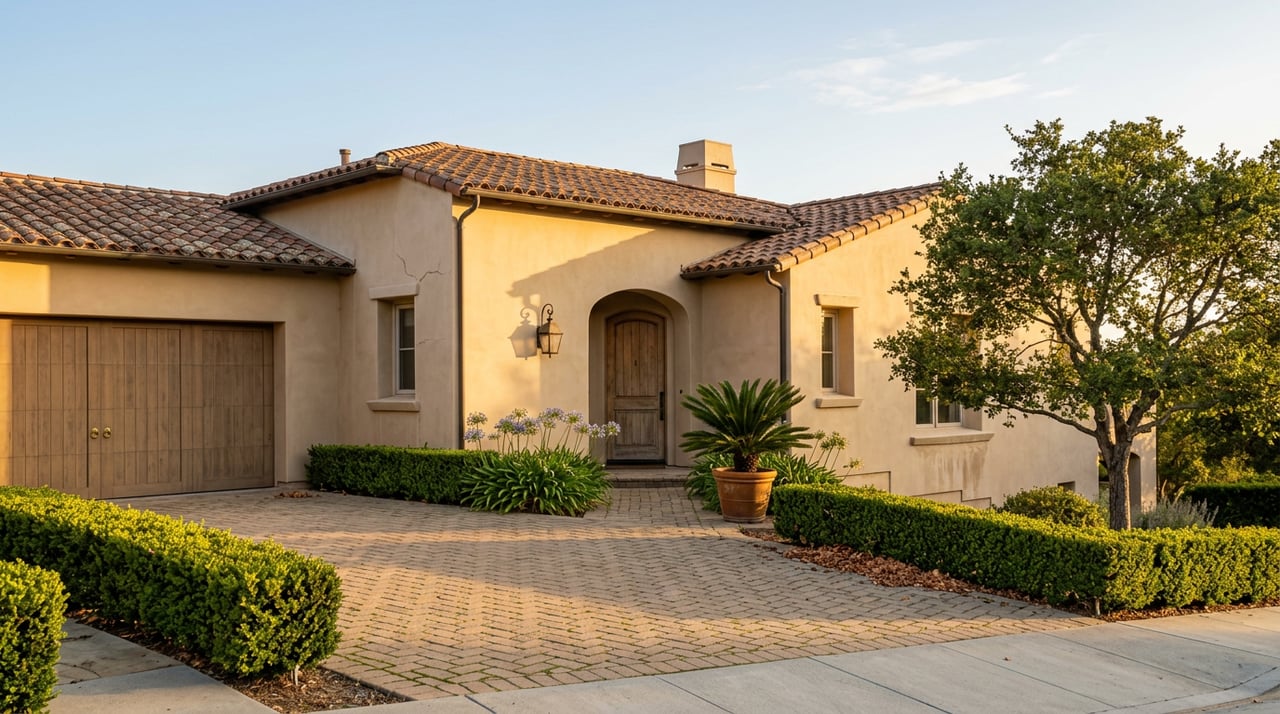
Spanish Colonial Revival is one of the most recognizable looks on the Westside. You may see clay tile roofs, light stucco exteriors, arched openings, recessed entries, balconies, or courtyard elements. These details can create a strong sense of character that many buyers simply cannot replicate in newer construction.
The biggest draw is usually architectural personality. Original design details, period materials, and established streetscapes can make a home feel distinctive from the moment you walk in.
Vintage homes can also appeal if you value craftsmanship and are comfortable taking a more hands-on approach to ownership. For some buyers, preserving original features is part of the joy of the purchase.
Older homes usually ask for more diligence. In practical terms, the biggest recurring issues are often moisture control, structural condition, and life-safety items rather than cosmetic style.
For example, older stucco or masonry performs best when water intrusion is prevented. Historic chimneys can also be vulnerable during earthquakes and may need bracing or rebuilding. If you are considering a vintage property, it helps to think beyond finishes and focus on the condition of the roof, foundation, drainage, and chimney early in your review.
West Los Angeles also includes many postwar homes. Common styles include Ranch, Post and Beam, Minimal Traditional, and Contemporary homes found across Westside neighborhoods and tracts.
These homes often feel more casual and livable than earlier period homes. Ranch designs are known for broad porches and rambling floor plans, while some late 1950s Westside homes featured L-shaped plans, sliding glass doors, family rooms, and snack areas with serving bars.
A big reason is layout. Many postwar homes were designed around flexible living and indoor-outdoor use, which still matches how many buyers want to live in West Los Angeles today.
If you like natural light, easier circulation, and a connection to patios or yards, these homes can strike a nice middle ground. You may get some architectural character without taking on all the quirks of a much older property.
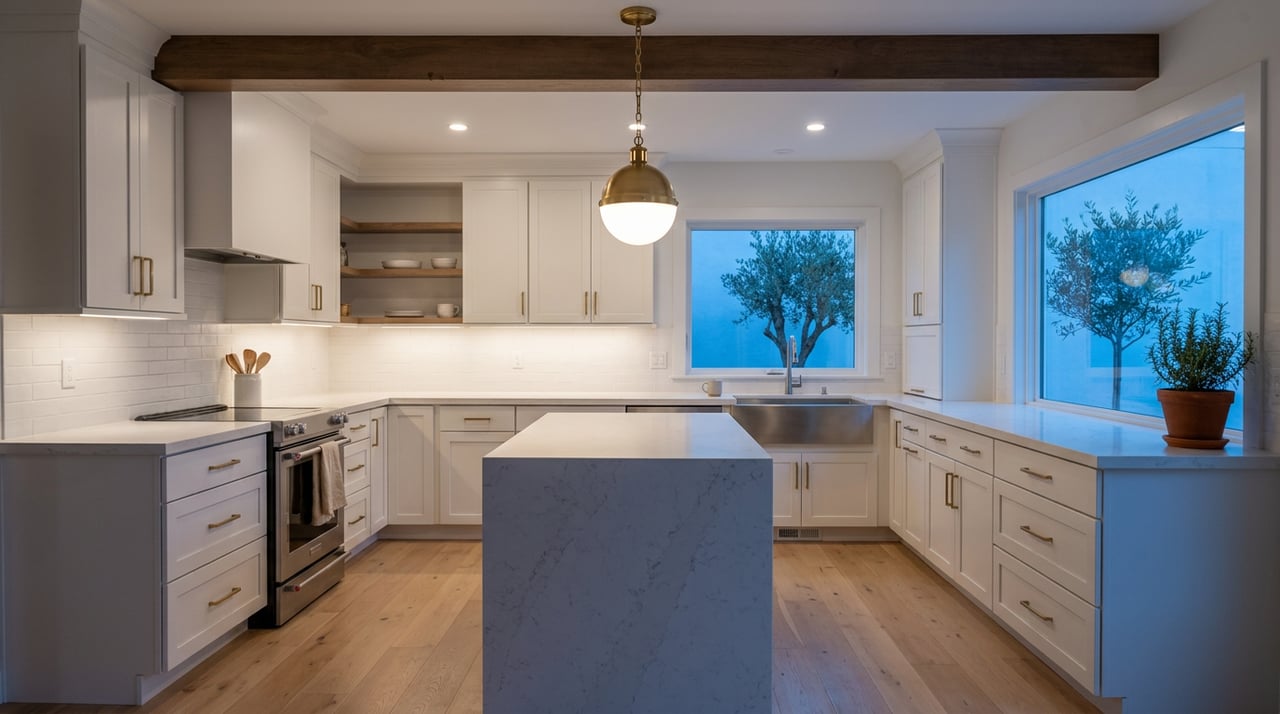
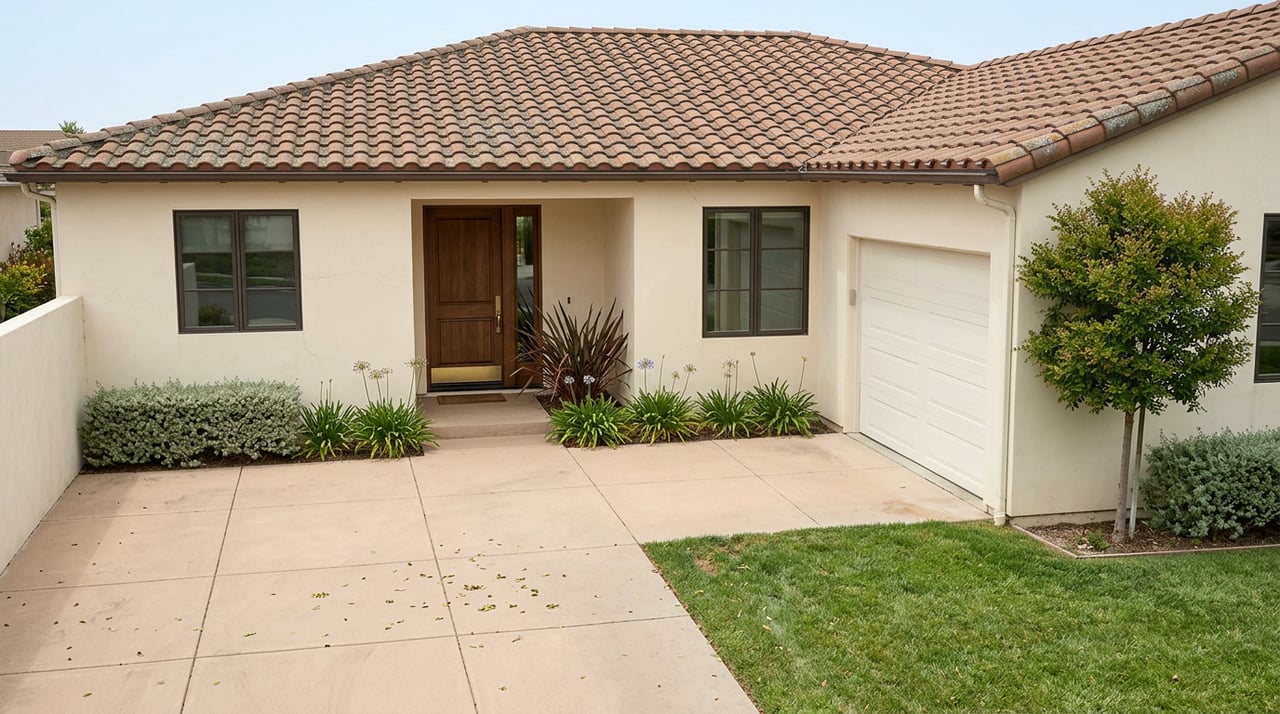
Updated and rebuilt homes often attract buyers who want more predictability. Larger kitchens, open circulation, and newer systems can reduce the number of near-term projects you have to manage.
That convenience matters, especially if you want to move in and focus on daily life rather than renovations. In many cases, the real value of an updated home is not just the design, but the reduced uncertainty around big-ticket items.
Not all updates carry the same weight. Cosmetic changes can improve first impressions, but practical upgrades tend to matter more over time.
Focus on improvements like:
These are the kinds of updates that can make your first few years of ownership feel more manageable.
If a home has been remodeled or expanded, permit history should be part of your evaluation. A polished renovation may look complete, but you still want to confirm whether the work was properly documented and whether the finished home matches the record.
City tools such as BuildLA and LADBS permit resources exist so residents can review building records and permits. For buyers, that means the right question is not only What was updated? but also Was it permitted?
Before you get too attached to finishes, ask:
These questions can help you separate true long-term value from surface-level appeal.
In California, new construction is generally treated as an assessable event for property tax purposes. If a house is torn down and replaced, the new structure is generally reassessed at current market value.
That can make a rebuilt home different from a vintage home that has only had routine maintenance or lighter updates. Also, a change in ownership can reset assessed value, and new construction can create a supplemental assessment. For buyers comparing two similar-looking options, that tax difference can affect the real monthly cost of ownership.
In a market like West Los Angeles, seismic readiness belongs on your checklist. Guidance from the California Earthquake Authority says older houses built before 2000 should be considered for seismic retrofit, especially homes with raised foundations, living space over an attached garage, post-and-pier support, hillside siting, or older chimneys.
This does not mean older homes are a bad choice. It means you should understand whether improvements have already been made and what future work may still be needed. Some retrofitted older houses may also qualify for earthquake insurance premium discounts, depending on the year built and foundation type.
If you are buying a home built before 1978, lead-based paint should be part of your due diligence. Federal rules require sellers and landlords of most pre-1978 housing to provide lead information before sale or lease.
That does not automatically mean the home is unsafe. It does mean that if you plan to renovate, repair, or repaint areas that may disturb older paint, you should plan carefully and use lead-safe work practices.
Some West Los Angeles properties may fall within a Historic Preservation Overlay Zone, or may be designated historic resources. In those cases, exterior changes may face additional review before permits are issued.
That review can apply to more than large additions. City of Los Angeles materials note that HPOZ review can extend to exterior paint and landscaping as well. If preserving a home’s original look appeals to you, this may feel like a benefit. If you want broad freedom to redesign the exterior, it is something to confirm early.
The right answer usually comes down to how you want to live, what level of uncertainty you can tolerate, and how much project management you are willing to take on after closing.
Here is a simple way to think about it:
In West Los Angeles, the better home is not always the newer one or the older one. It is the one that matches your priorities after you account for condition, permit history, tax impact, and future maintenance.
That is where local context matters. A home’s era, style, and update history all shape how it may function for you over time. When you compare options carefully, you are much more likely to choose a property that feels right both emotionally and financially.
If you are weighing vintage charm against updated convenience in West Los Angeles, working with an experienced local advisor can help you ask the right questions before you commit. To schedule a free consultation, connect with Greg Jones.
Stay up to date on the latest real estate trends.

Get assistance in determining current property value, crafting a competitive offer, writing and negotiating a contract, and much more. Contact me today.