Westchester Homebuyer Guide Near LAX: What to Know
June 25, 2026
June 25, 2026
If you want Westside access without jumping into a newer high-density development, Westchester deserves a close look. This Los Angeles neighborhood puts you near LAX, major job centers, and regional transit while still offering an established residential feel on many blocks. In this guide, you’ll get a practical look at housing, micro-areas, commute advantages, price points, and the tradeoffs you should weigh before you buy. Let’s dive in.
Westchester sits directly north of LAX and near Playa del Rey, Playa Vista, Culver City, Inglewood, and El Segundo. That location is a big reason buyers keep it on their shortlist, especially if your routine includes airport travel or work on the Westside.
City Planning describes Westchester as an aviation-era, post-World War II community rather than a new-build district. In practical terms, that means you’ll find a lower-density street pattern, established residential areas, and commercial activity concentrated along key corridors instead of a fully master-planned modern layout.
The current planning context also matters. Westchester is still treated as a neighborhood with stable residential areas, commercial nodes, and transit-oriented corridors, with long-recognized single-family sections remaining a defining part of the area.
Westchester began as a planned community built for aviation workers, and that history still shapes what you see today. SurveyLA identifies the original tracts as Marlow-Burns’ Westchester, Farrar Manor, Westport Heights, and Kentwood.
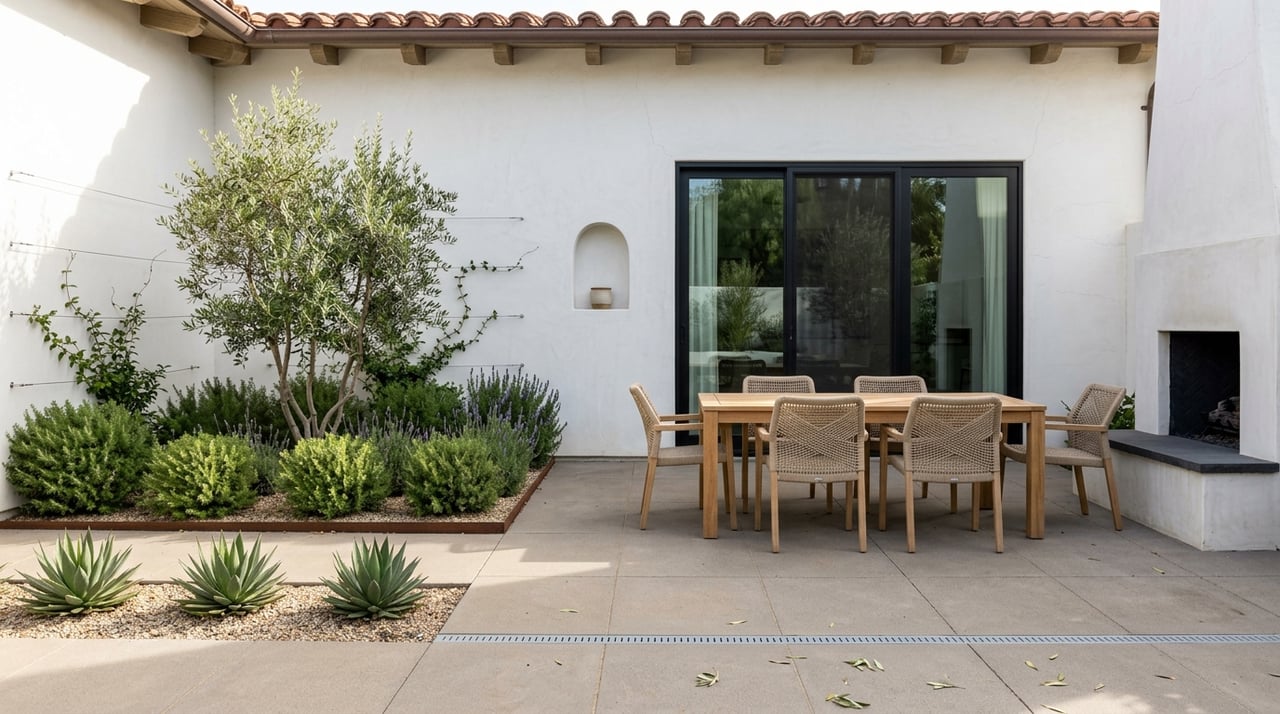
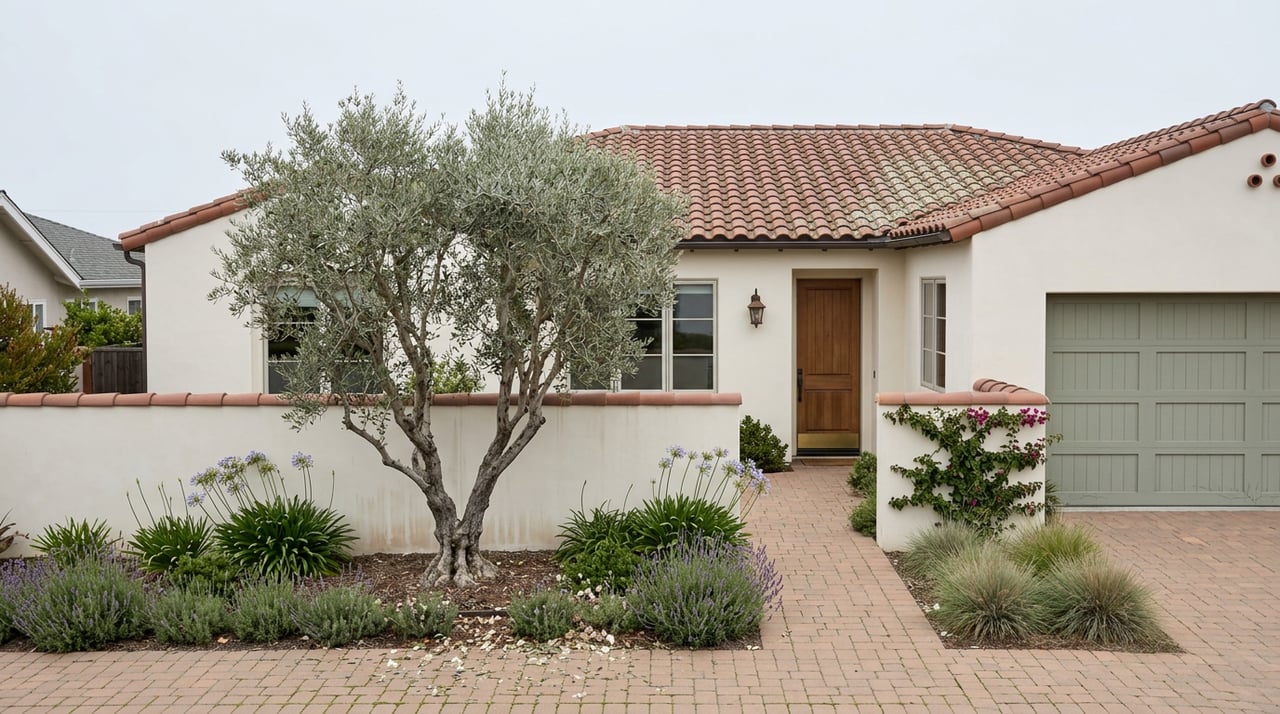
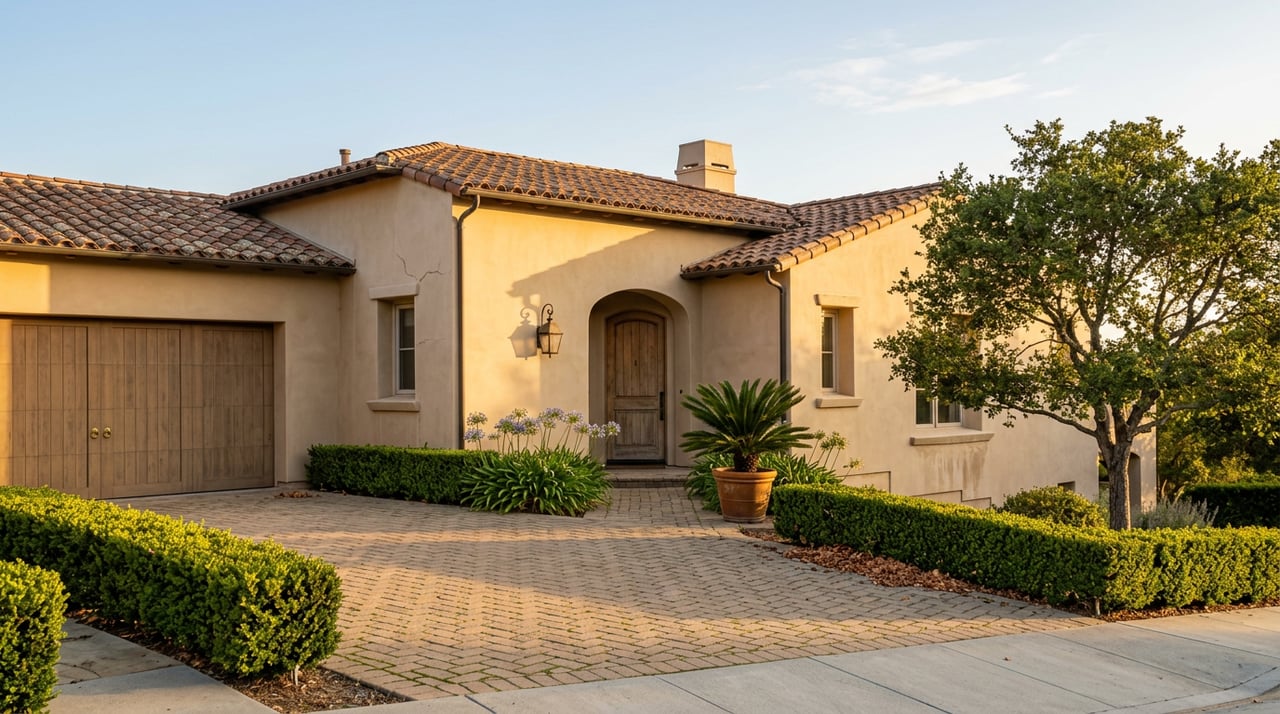
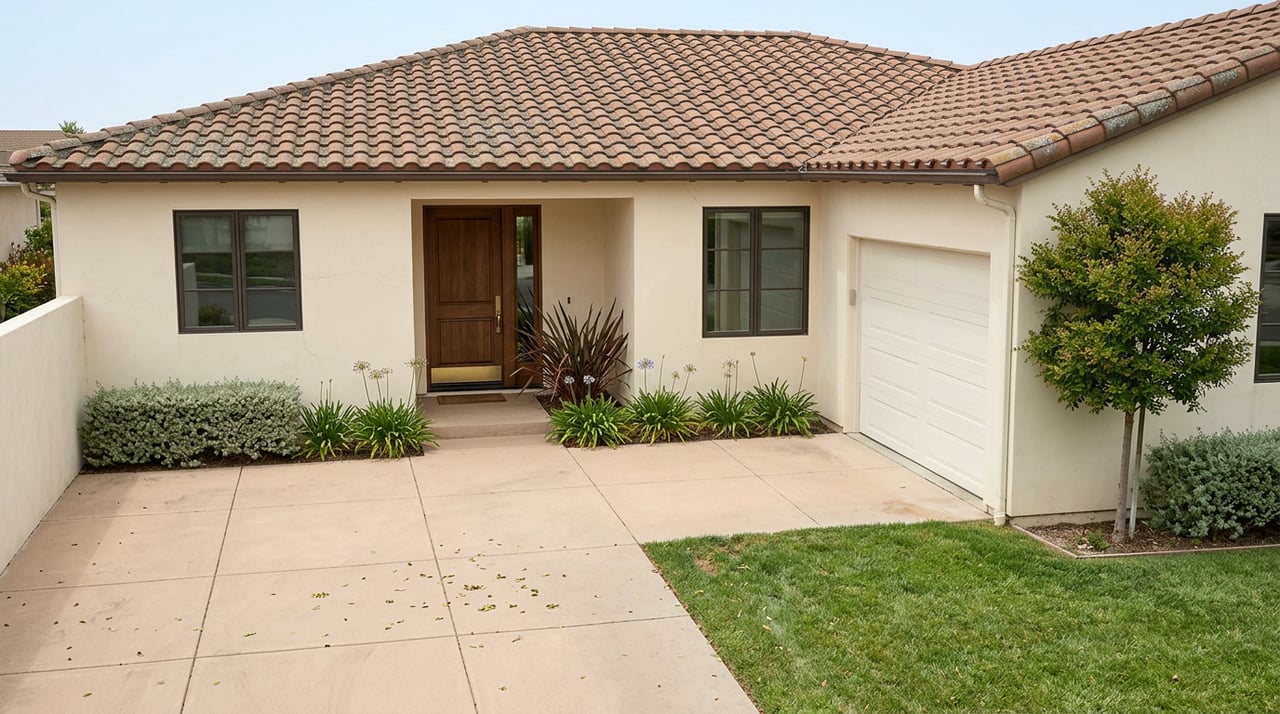
Across much of the neighborhood, the defining features include modest one-story single-family homes, curving streets, front lawns, and detached or attached garages. Many homes and buildings date from the 1940s through the 1960s, so the housing stock often feels established rather than newly built.
You can also find a smaller number of attached units and corridor-adjacent multifamily properties, depending on the block. Some areas include historic garden apartment complexes and Mid-Century Modern apartment buildings, which adds variety for buyers who are open to more than one property type.
Kentwood is one of the clearest examples of Westchester’s stable single-family character. Planning documents specifically identify it as a protected single-family area, which helps explain why many buyers focus here when they want a classic neighborhood setting.
Westport Heights and Farrar Manor are part of Westchester’s original planned-community fabric. If you are drawn to the neighborhood for its history and traditional residential pattern, these areas help tell that story.
The original Westchester tracts reflect the area’s aviation-era roots. Buyers often notice the consistent street layout, lawn-forward lots, and older home styles that give these blocks a more established feel.
Downtown Westchester and Loyola Village function as key commercial and design nodes within the neighborhood. These areas matter if you want convenient access to shops, services, and daily errands while still being based in Westchester.
Westchester remains competitive by local standards. Redfin’s neighborhood snapshot shows a median sale price of $1,631,951 over the three months ending May 2026, with homes selling in about 36 to 37 days.
Zillow’s broader home value index for Westchester was $1,501,364 as of April 30, 2026. No single metric tells the whole story, but together they suggest a market where buyers should be prepared, realistic, and clear about priorities.
For many buyers, the value question is not only about the price tag. It is about whether Westchester’s location, residential layout, and housing style line up with the way you actually live and work.
If you work at LAX or travel often, Westchester’s geography is hard to ignore. The neighborhood sits directly north of the airport and now connects to Metro’s regional rail system through the Westchester/Veterans K Line station and the LAX/Metro Transit Center.
Metro says the LAX/Metro Transit Center opened on June 6, 2025. It connects the C and K Lines to LAX through a free shuttle that runs every 10 minutes, with setup for a future people-mover connection.
The draft community plan also points to proximity to LAX, the I-405, the I-105, SR-1, and multiple K Line stations as key transportation assets. If your work life stretches across Westchester, Playa Vista, LAX, and other Westside locations, that flexibility can be a meaningful advantage.
The central tradeoff in Westchester is convenience versus aircraft activity. That is the issue most buyers should evaluate carefully before making an offer.
LAWA says it manages LAX noise through over-ocean operations, preferential runway use, nighttime restrictions, and flight-track monitoring. It also operates a Community Noise Roundtable and a noise portal.
At the same time, the residential soundproofing program that began in Westchester and Playa del Rey is complete and no longer accepts new participants. For buyers, the takeaway is simple: treat noise as a property-specific issue.
Two homes in the same general area can feel very different depending on lot position, flight patterns, building condition, and interior sound insulation. That is why it helps to visit at different times of day and focus on the exact property, not just the neighborhood label.
Westchester offers strong everyday amenities for a neighborhood so close to the airport. The Westchester Recreation Center includes sports fields, basketball courts, a skate plaza, picnic areas, and an on-site senior center.
The larger park complex also includes the Westchester Library and Westchester Golf Course. The Westchester–Loyola Village Branch Library on Manchester adds another public library resource near the neighborhood core.
These amenities help support the appeal of Westchester as a practical place to live, not just a convenient place to commute from. If you want access to public facilities and neighborhood-serving destinations, that everyday functionality is part of the draw.
Playa Vista is the more master-planned, mixed-use option. City Planning describes it as an area designed for a more intensive urban environment with integrated residential and commercial uses.
Redfin reported a median sale price of $1.28 million in Playa Vista in March 2026, with a median of 68 days on market. Compared with Playa Vista, Westchester is older, more residential in character, and generally more detached-home oriented.
Culver City offers a more central Westside location and was slightly less expensive in Redfin’s March 2026 snapshot, with a median sale price of $1.45 million. That makes the comparison less about finding the lowest number and more about choosing the right setting.
If you want a mature residential neighborhood close to LAX, Westchester may make more sense. If your priority is a different Westside position, Culver City may stay in the mix.
El Segundo is a close alternative for airport commuters who want a nearby beach-city setting. Its May 2026 median sale price was $1,616,533, which is very close to Westchester’s recent median.
The feel is different because El Segundo is a separate city, and the market has been moving slightly faster. For buyers comparing the two, the decision often comes down to which location, housing mix, and day-to-day environment better fits your needs.
Westchester tends to fit buyers who want three things at once: LAX convenience, an established residential street pattern, and access to Westside job centers. It can be especially appealing if you prefer older neighborhood fabric over a newer dense development setting.
It may also suit you if you want more of a detached-home orientation than you typically find in some nearby mixed-use areas. That said, the fit depends on your tolerance for aircraft activity and how much weight you place on commute efficiency.
In other words, Westchester is not a one-size-fits-all neighborhood. For the right buyer, though, it offers a genuine single-family-home feel in one of the most practical locations on the Westside.
If you are weighing Westchester against Playa Vista, Culver City, or El Segundo, a neighborhood-by-neighborhood strategy can save you time and help you focus on the blocks and home types that best match your goals. When you are ready for personalized guidance, schedule a free consultation with Greg Jones.
Stay up to date on the latest real estate trends.

Get assistance in determining current property value, crafting a competitive offer, writing and negotiating a contract, and much more. Contact me today.