Culver City Neighborhoods: A 2026 Guide for Homebuyers
February 19, 2026
February 19, 2026
Trying to make sense of Culver City’s neighborhoods before you tour homes? You’re not alone. Even within this compact Westside city, each pocket has a distinct feel, housing mix, and price profile. In this guide, you’ll get a plain‑English breakdown of the main areas, current price context with dates and sources, and quick tips to match your priorities to the right neighborhood. Let’s dive in.
Culver City anchors a growing media and creative corridor, with new mixed‑use energy around Ivy Station and long‑standing anchors near Sony Pictures. The Ivy Station project brought apartments, a boutique hotel, active ground‑floor retail, and major office tenancy to the E Line station area, signaling durable demand for transit‑oriented living (developer release on Ivy Station).
Recent price context varies by data provider and method:
These figures are helpful context, but exact pricing depends on micro‑location, property condition, and HOA or lot specifics. Use this as a starting point, then confirm with current MLS comps and a local advisor.
Below are the core pockets most buyers compare, with lifestyle feel, housing types, and price signals to help you focus your search.
If you want to walk to dinner, design showrooms, and weekend events, start here. The compact downtown blends restaurants with the Helms Design District and Platform, creating a strong, walkable core with frequent happenings (Helms Design District event example). Condo and loft options lead the inventory near the center, with a few single‑family streets just outside the core. Realtor’s neighborhood snapshot has shown higher‑tier listing medians in this zone, and Zillow’s nearby neighborhood ZHVI measures, like Washington Culver, sit in Culver City’s upper range as of Jan 2026. Expect a walkability premium near the heart of downtown.
East of downtown, the Arts District and Hayden Tract deliver a creative, industrial‑to‑residential mix. Think galleries, small‑batch makers, and adaptive reuse with an emerging plan to add housing while preserving the area’s character. The city’s Hayden Tract Specific Plan aims to improve walk and bike connections and allow targeted mixed‑use growth (City of Culver City plan page). Housing here includes loft‑style condos, smaller projects, and limited traditional single‑family stock. Nearby neighborhood ZHVI figures such as Studio Village and Park East were in the high segment of the city as of Jan 2026, reflecting the creative‑cluster premium.
This transit‑adjacent hub is Culver City’s strongest example of car‑light living. Ivy Station rises directly at the Metro E Line stop with apartments, office, retail, and a hotel, giving you quick rail access to Santa Monica and Downtown LA (Ivy Station project overview). For‑sale options include newer condos and townhomes in the surrounding corridor, along with established condo stock nearby. Given new construction and amenities, this area typically trades above older condo averages; use recent MLS comps for precise pricing against the Jan 2026 city median sale of $1.2M.
Fox Hills offers one of Culver City’s most accessible entry points, especially for condo buyers. You’ll find larger 1970s‑era complexes, garden apartments, and townhomes, plus Fox Hills Park and proximity to I‑405. Neighborhood listing medians here have recently trended in the mid‑$600K range in late‑2025 snapshots, often below central Culver City condo pricing. The city is evaluating higher‑density proposals, including a notable plan at 5757 Uplander Way with about 1,077 new homes that could shift future supply dynamics (project coverage). For general context on the area’s setting and amenities, see an overview of Fox Hills history and park details (Fox Hills background).
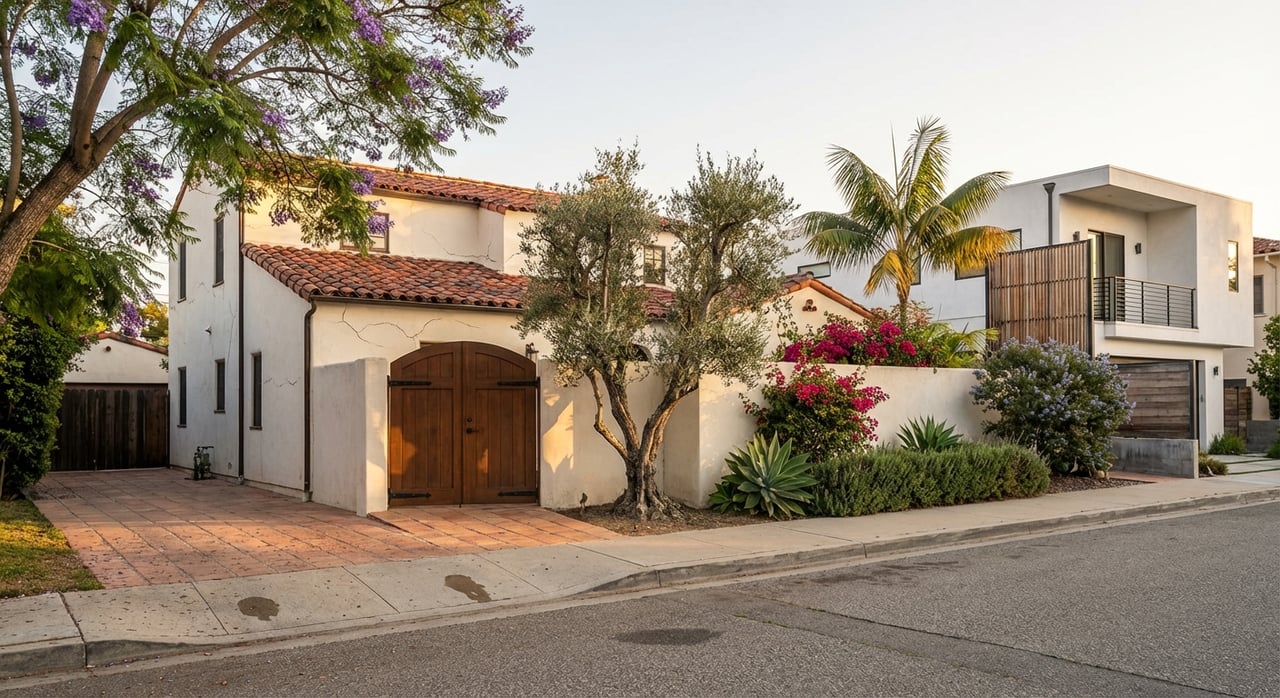
If you prioritize single‑family homes, yards, and a quiet residential pace close to the core, put these on your tour list. Park East, Sunkist Park, and nearby streets offer tree‑lined blocks with a mix of craftsman, bungalow, and mid‑century styles. Blair Hills and Blanco/Culver Crest introduce hilltop settings, larger lots, and potential views. Zillow’s neighborhood ZHVI placed Park East and Blair Hills near the top of Culver City’s value range as of Jan 2026, with Sunkist Park and Blanco/Culver Crest somewhat lower but still above many LA‑area averages. For a feel of everyday convenience, Park East posts strong walk and bike scores for errands and short trips (Park East walkability).
Use these quick filters to narrow your short list:
Price stats in this guide reference: Zillow ZHVI through Jan 31, 2026; Redfin median sale metrics for Jan 2026; and Realtor.com median listing snapshot for Dec 2025. Always confirm current comps with your agent.
Culver City may be compact, but each pocket offers a distinct path to value: downtown and Ivy Station for walkability and rail, Fox Hills for condo selection and entry pricing, and Park East, Culver Crest, and Blair Hills for single‑family homes and yard space. If you want a neighborhood‑by‑neighborhood plan, comps that reflect today’s market, and a clear tour strategy, let’s talk. Schedule a free consultation with Greg Jones to get personalized guidance and on‑the‑ground insight.
Stay up to date on the latest real estate trends.

Get assistance in determining current property value, crafting a competitive offer, writing and negotiating a contract, and much more. Contact me today.