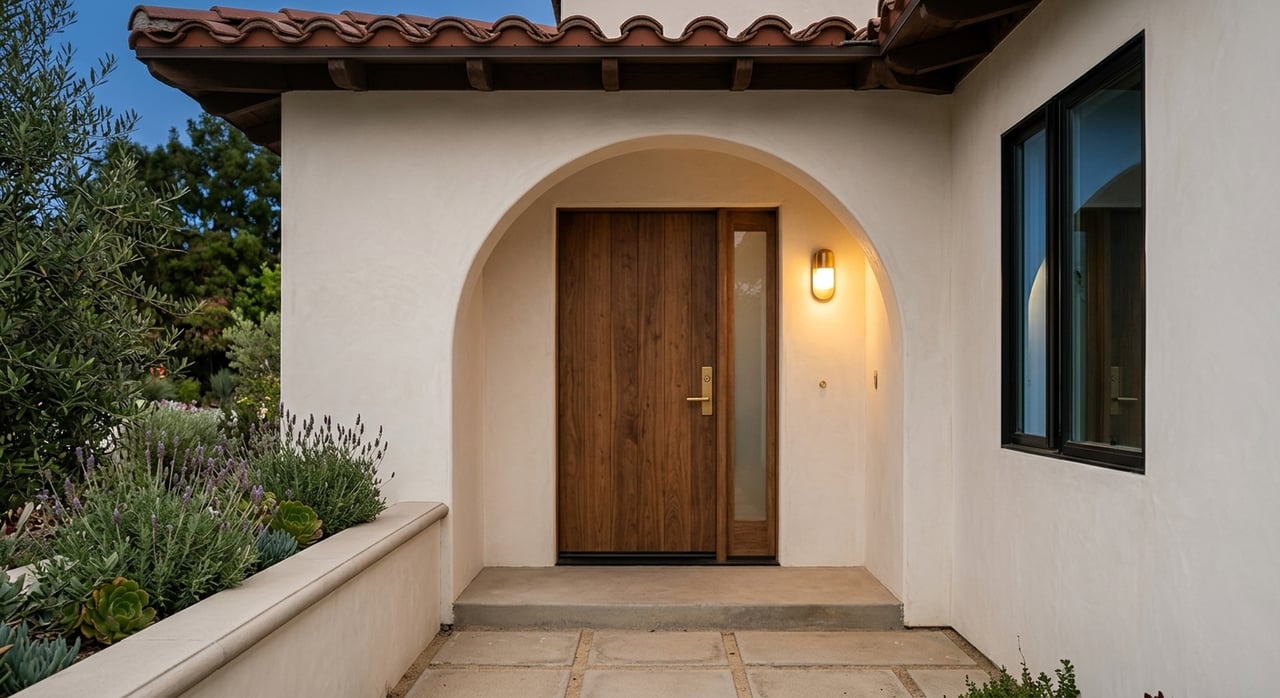
Modern Westchester Home Selling Strategy That Works
April 16, 2026
April 16, 2026
If you are selling a home in Westchester, great marketing is no longer optional. Buyers start online, compare listings fast, and decide within seconds whether your home is worth a closer look. The good news is that with the right strategy, you can position your home to stand out in a market that rewards smart pricing, polished presentation, and broad digital exposure. Let’s dive in.
Westchester is a distinct Los Angeles neighborhood shaped by its location near LAX, its residential streets, and institutions like Loyola Marymount University and Otis College. According to City of Los Angeles neighborhood information, the area has about 48,000 residents, with roughly half of its housing stock made up of detached single-family homes on small lots.
That local housing mix matters when you sell. Many buyers will want a clear sense of layout, room flow, lot use, and how the home lives day to day. For out-of-area buyers especially, your online presentation has to do more of the heavy lifting before they ever book a showing.
The market also calls for a strategic approach. Redfin’s February 2026 Westchester market data shows a median sale price of $1,595,000, homes averaging 64 days on market, a 99.4% sale-to-list ratio, and 24.4% selling above list, while classifying the area as somewhat competitive.
In plain terms, Westchester is not a market where you can rely on low inventory alone to do the work. Sellers often benefit most from accurate pricing, strong visuals, thoughtful launch timing, and consistent follow-up.
If your home does not look compelling online, many buyers may never take the next step. The National Association of Realtors 2024 Profile of Home Buyers and Sellers found that all buyers used the internet in their home search, 43% started online, and 51% found the home they purchased through an online search.
Mobile visibility is just as important. NAR also found that 69% of buyers used a mobile or tablet device during their search, which means your listing needs to be easy to understand at a glance. Clean photos, a logical sequence, concise copy, and key facts that are easy to scan can make a major difference.
Sellers already recognize this shift. NAR reports that sellers prioritized marketing the home, pricing it competitively, and selling within a specific timeframe. That makes modern marketing part of the sales strategy, not just an add-on.
A modern listing should answer buyers’ questions quickly and visually. According to Zillow’s 2025 prospective buyer trends survey, floor plans ranked as the most important listing feature for 33% of prospective buyers, followed by high-resolution photos at 26%, 3D or virtual tours at 20%, and video at 4%.
That ranking is useful if you are deciding where to invest. Professional photography still carries enormous weight, but floor plans and virtual experiences now play a major supporting role. In Westchester, where many homes are detached and sit on modest lots, these tools help buyers understand how interior and exterior spaces connect.
Presentation still matters beyond the screen. The NAR 2025 home staging report found that 83% of buyers’ agents said staging made it easier for buyers to envision a property as a future home. Buyers’ agents also rated photos, videos, and virtual tours as highly important listing elements.
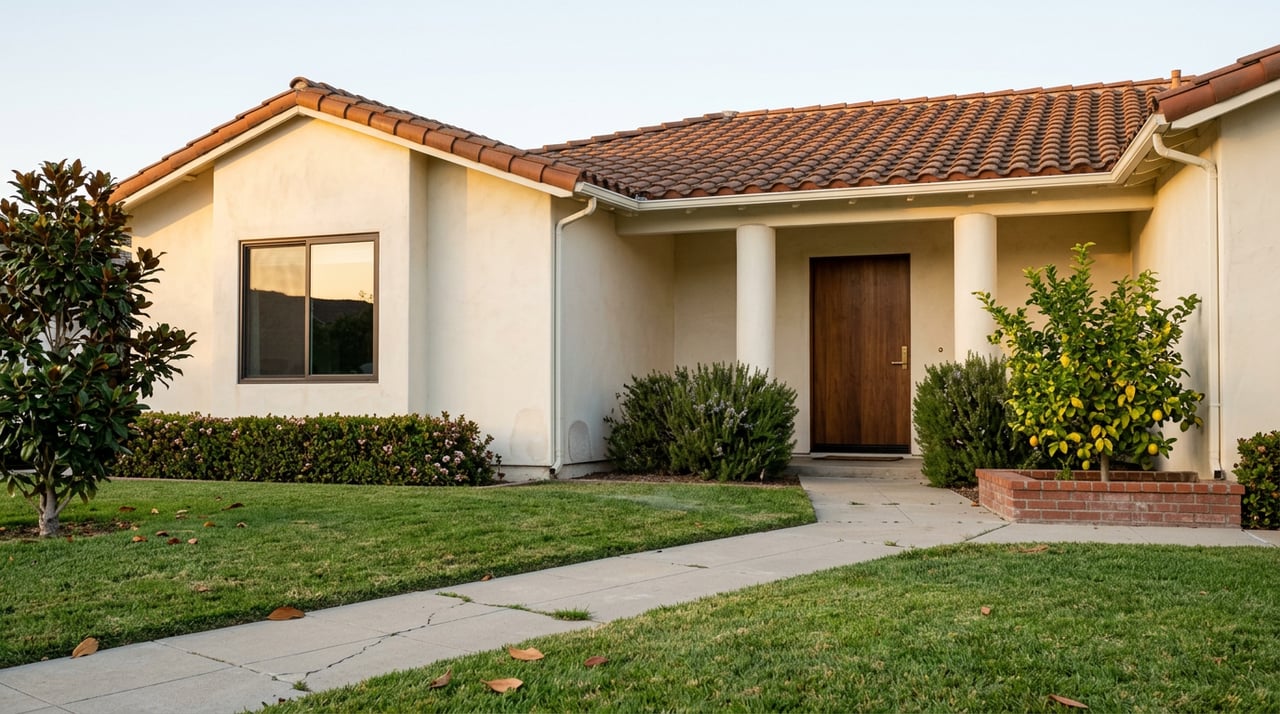
The strongest marketing campaigns usually begin before your home goes live. That means decluttering, cleaning, improving curb appeal, and preparing the home for photos and showings before the first buyer sees it online.
NAR’s staging report notes that these are among the most common recommendations made to sellers. The same report also found that 29% of agents said staging led to a 1% to 10% increase in the dollar value offered.
That does not mean every home needs a full redesign. It does mean your home should look bright, open, and easy to understand. In many cases, the biggest gains come from focusing on the spaces buyers tend to notice most.
NAR found that buyers considered these rooms the most important to stage:
If you are working within a budget, those spaces are often the best place to start. A clean, well-styled living room and kitchen can help buyers picture everyday use, while a calm primary bedroom can make the home feel move-in ready.
Once the home is ready, the next step is creating assets that match how buyers actually search. In most cases, that means more than just posting a few photos and waiting for interest.
A strong Westchester listing often benefits from:
The order matters too. Based on Zillow’s survey, buyers place the most value on floor plans, photos, and virtual tours, with video acting more as a support tool than the main driver. That means your core package should focus first on clarity and usability.
Floor plans help buyers understand how the home works before they visit. They can reduce uncertainty about room size, flow, and function, which is especially helpful for buyers relocating from another part of Los Angeles or from outside the area.
In a neighborhood like Westchester, where buyers may compare several detached homes with different layouts, a floor plan can make your listing easier to remember. It also helps set accurate expectations before showings.
Photos are usually the first thing buyers judge. NAR’s staging report found that 73% of buyers’ agents considered photos highly important, underscoring how much strong visuals shape first impressions.
Professional images should show natural light, room scale, and a logical story from front exterior to main living spaces, kitchen, bedrooms, baths, and outdoor areas. In many cases, better photography is not about making a home look flashy. It is about making it look clear, cared for, and easy to imagine living in.
Posting a listing in one place is not the same as distributing it widely. A modern marketing plan should include MLS placement and thoughtful syndication so your home can appear across a broad network of consumer-facing search sites.
NAR’s explanation of listing syndication describes it as a broker agreement to advertise listings on non-MLS websites. The research provided here also notes that CRMLS says ListHub can send listings to more than 85 publishers and potentially 900-plus consumer-facing home search sites, with broker-controlled distribution and updates sent several times per day from CRMLS.
That reach matters because buyers do not all search in the same place. Some are local. Some are relocating. Some are casually browsing on mobile before they are ready to schedule a tour. Broad, accurate distribution helps your listing meet buyers where they already are.
The research also notes that CRMLS allows a Coming Soon status for up to 21 days while a property is being prepared for showings, and that as of March 10, 2026, those listings are included in public portal and third-party searches.
This can be useful when your home needs time for staging, photography, repairs, or launch coordination. Instead of rushing to market half-ready, you may be able to build early visibility while preparing for a stronger debut.
Social media should support your listing launch, not replace the fundamentals. Zillow found that 41% of prospective buyers said they were more likely to hire an agent with a social media presence, which shows that digital visibility can build trust and awareness.
For sellers, this often means your home can benefit from short-form video, listing posts, and shareable visuals that drive people back to the full listing experience. The most effective campaigns keep the message focused on the home, the location, and practical buyer interest rather than gimmicks.
In Westchester, that may include highlighting the home’s layout, updates, outdoor space, and day-to-day convenience. Because many buyers are searching for a primary residence, Zillow’s survey suggests that long-term livability should lead the copy and visuals.
Modern marketing has to be effective and compliant. According to HUD’s guidance on digital housing advertising, algorithmic targeting and ad delivery can create Fair Housing Act concerns in housing ads.
NAR also states that housing ads should never express a preference or limitation based on a protected class. In practice, that means digital promotion should focus on factors like geography, search behavior, and relocation intent, while keeping the language neutral and property-focused.
This is one more reason experienced oversight matters. A smart campaign should expand exposure without crossing compliance lines.
Even in a digital-first market, open houses still matter. NAR found that 23% of buyers viewed open houses as very useful, and Zillow reported that 39% of prospective buyers had attended an open house or private home tour.
The key is to treat the open house as one part of the campaign, not the entire strategy. A good open house works best when it is paired with strong online exposure, lead capture, and prompt follow-up after each visitor comes through.
Buyer response time matters more than many sellers realize. Zillow found that text was the preferred communication channel for 34% of prospective buyers, followed closely by phone at 33% and email at 20%.
That suggests quick SMS and email follow-up after a showing or open house may be more effective than relying only on slow drip communication. When buyers have questions, timing can influence whether they stay engaged or move on to the next listing.
Selling a home in Westchester with modern marketing means combining neighborhood knowledge with the tools buyers now expect. In a somewhat competitive market, your listing should do three things well: make a strong first impression online, provide enough detail for serious buyers to act, and maintain momentum from launch through follow-up.
That takes more than a yard sign and a few photos. It takes preparation, professional media, disciplined MLS distribution, compliant digital promotion, and responsive communication throughout the campaign.
If you want a selling strategy built around local knowledge, proven marketing systems, and personalized service, connect with Greg Jones to schedule a free consultation.
Stay up to date on the latest real estate trends.
Get assistance in determining current property value, crafting a competitive offer, writing and negotiating a contract, and much more. Contact me today.