Playa Vista HOA Costs, Amenities, and Buyer Insights
March 24, 2026
March 24, 2026
Buying in Playa Vista comes with a unique mix of lifestyle perks and layered HOA fees. If you have seen two separate HOA line items on listings or heard about a one-time transfer fee at closing, you are not alone. You want clarity on what you get for your dues and how to budget with confidence. In this guide, you will learn how Playa Vista’s HOAs are structured, what amenities the master association provides, typical fee ranges, and the key documents to review before you remove contingencies. Let’s dive in.
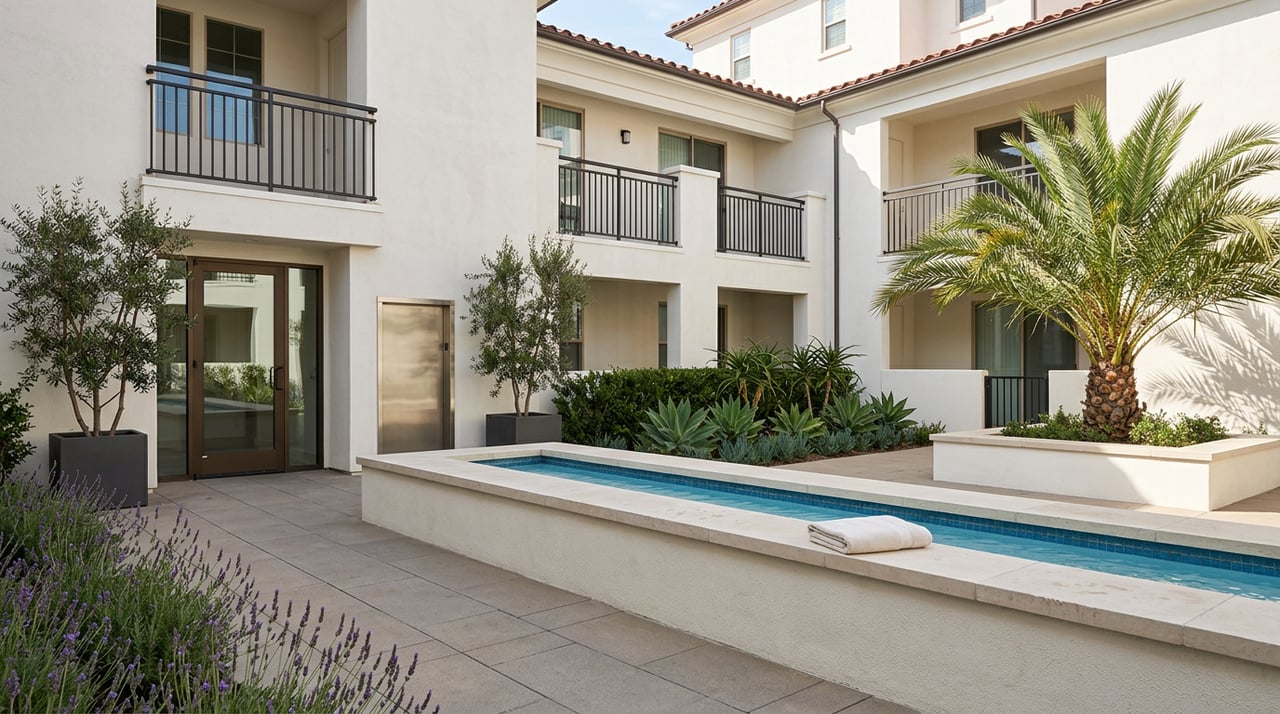
Playa Vista is a master-planned community with a two-layer HOA model. Most homes pay a building or sub-association fee plus a separate master assessment to the Playa Vista Parks & Landscape Corporation, often called PVPAL. This setup is different from many other Westside neighborhoods, so it helps to understand what each layer covers.
PVPAL manages the community parks, the resident clubs, and shared services used by the entire community. You can review an overview of amenities and resident services on the official Playa Vista FAQs. Learn more on the Playa Vista FAQs page at the community’s site: Playa Vista FAQs.
Your building HOA handles the day-to-day upkeep of the property you live in. This includes the building’s common areas, exterior maintenance, insurance for the structure, reserves for future repairs, and any on-site staff. The exact scope depends on the property.
The master association operates the CenterPointe Club and The Resort, maintains a network of parks and open spaces, coordinates shuttle programs, and supports community events. Residents obtain access authorization through the master association. You can see highlights of the clubs and parks on the official site’s FAQs: Playa Vista FAQs.
Local guides and resale listings often note that the master assessment has historically bundled certain shared services for homes, such as basic cable, high-speed internet, and basic alarm monitoring. These inclusions can change over time and may vary by parcel, so confirm the current details in your resale packet before you buy.
Your building or sub-association typically covers:
Buildings with elevators, private gyms, pools, or concierge services tend to have higher dues. Always review the building’s current budget, financials, and reserve study.
While dues vary by property and can change, local reports and listing snapshots suggest the following general ranges:
To estimate your monthly HOA carrying cost, add the master assessment plus your building dues. For example, combining a typical master fee with a mid-range building fee ($245 + $400) equals about $645 per month before taxes and any special district charges. Your numbers may differ, so confirm each figure for the specific unit you are evaluating.
Playa Vista properties are often subject to a recorded Community Enhancement Fee Agreement. At resale, the Community Enhancement Fee equals 0.75% of the sales price, and payment responsibility is negotiable in the contract. For background on the recorded fee concept, see the federal filing that references Playa Vista’s arrangement: FHFA comment record describing transfer fees. Also budget for any HOA transfer or document fees charged by the management company.
Parts of Playa Vista, notably Phase I, fall within Community Facilities Districts that levy special taxes, commonly called Mello-Roos. These district charges repay bonds for infrastructure and appear on the property tax bill. The amount and remaining term vary by parcel, so check the APN you are evaluating and review the City’s documentation for Playa Vista’s CFDs: City of Los Angeles CFD report for Playa Vista.
In California, sellers and associations provide a resale disclosure package that details assessments, budgets, governing documents, and more. The California Association of Realtors provides helpful background on common interest development disclosures: C.A.R. CID information guide.
Request and review these items early:
For timing and process, community management resources explain board and disclosure practices: HOA management guidance.
Use this quick list to calculate a true monthly and closing budget:
Playa Vista centralizes parks, clubs, shuttles, and events under a master association, creating a bundled lifestyle model that stands out on the Westside. This master-planned structure has been noted in local coverage: Los Angeles Times overview of Playa Vista’s master-planned character. When you compare to neighborhoods like Santa Monica, Venice, or Culver City, weigh:
For a current snapshot of amenities and programs, you can reference the official FAQs: Playa Vista FAQs.
In Playa Vista, you usually pay two HOA assessments that fund a robust set of amenities, plus you should account for the Community Enhancement Fee and possible Mello-Roos. The value comes from the parks, resident clubs, and community services that define daily life here. With the right documents and a clear budget, you can decide if the convenience and lifestyle are worth the cost for you.
If you want help evaluating dues, reading the resale packet, or negotiating CEFA in your offer, connect with Greg Jones to schedule a free consultation.
Stay up to date on the latest real estate trends.


Get assistance in determining current property value, crafting a competitive offer, writing and negotiating a contract, and much more. Contact me today.